Case Studies

Our technology has been successfully used at projects around the world.
Here are some examples.

Case Study 1

Re-processing of hyperspectral imagery collected from drill core from Alberta (Canada) using the Lithotype® method

Hyperspectral Intelligence re-processed imagery data from 805 drill cores from Alberta, totaling 50,840 meters, to generate additional value from this existing dataset. The drill cores were divided into seven chronostratigraphic intervals of interest (ranging from the Archean to the Quaternary) and were processed for data reduction and analysis using the Lithotype™ Method.

Case Studies Alberta1
Case Studies Alberta2

Case Study 2

Re-processing of HyLogger-3™ data collected from the Musgrave Province, South Australia, using the Lithotype® method

Hyperspectral Intelligence re-processed HyLogger-3™ data from 15 exploration drill cores (~3,100 m) from the Musgrave Province, South Australia, using its proprietary tools, including the Lithotype® method. This method is particularly beneficial for the analysis of hyperspectral data from rocks that produce low reflectance spectra and rocks that contain spectral mixtures. By reprocessing this existing hyperspectral dataset, the Lithotype® method unlocked additional valuable insights, enhancing the geological understanding and potential mineral exploration value of these drill cores.

Case Studies Musgrave1
Case Studies Musgraves2

Case Study 3

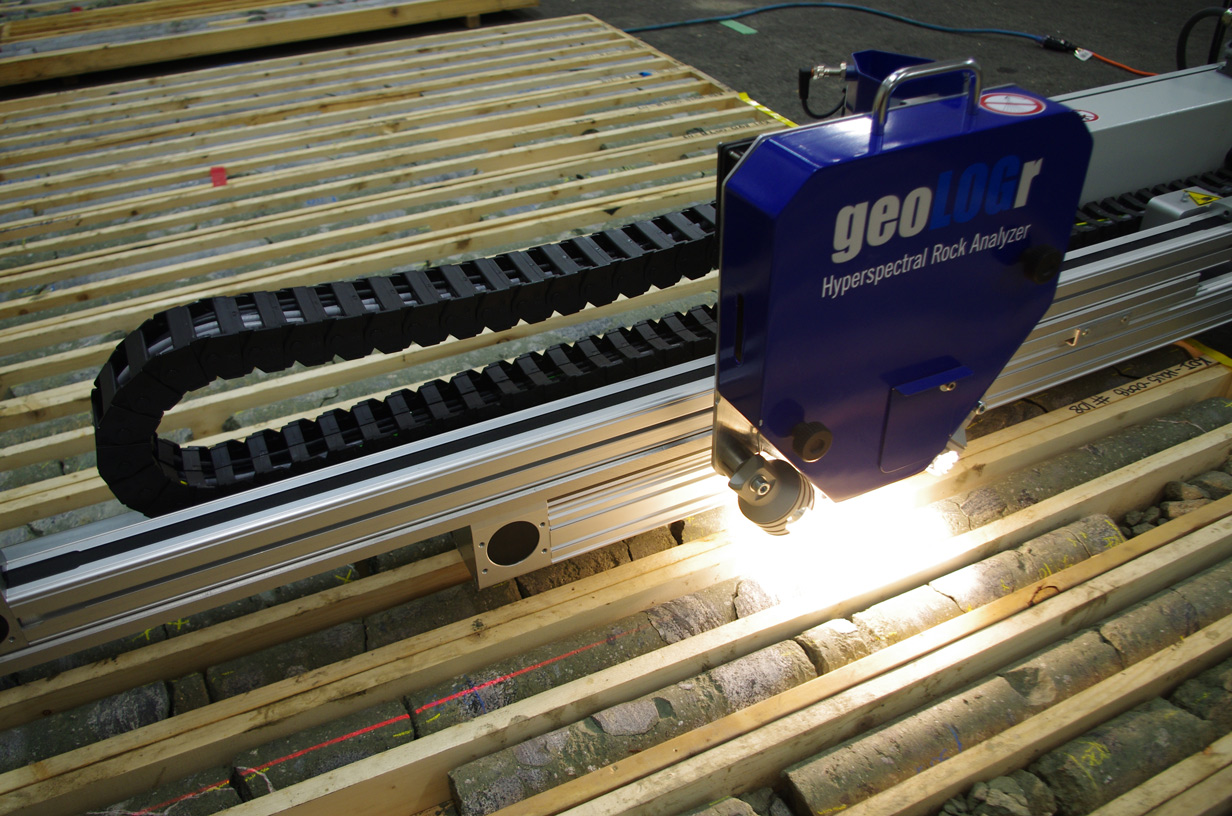
Spectral logging and dilution estimation of kimberlite drill cores from the NWT, Canada

Kimberlites are challenging to log because they often consist of minerals that are difficult to discriminate visually, such as serpentine and clay minerals. They also contain country-rock clasts in variable abundance, which directly affect diamond grades.

Using the geoLOGr it was possible to:

  • Produce drill core logs that are consistent with visual logs, but provide more compositional detail
  • Estimate the abundance of country-rock dilution
geoLOGr PICB6630
Case Studies kimberlite

Case Study 4

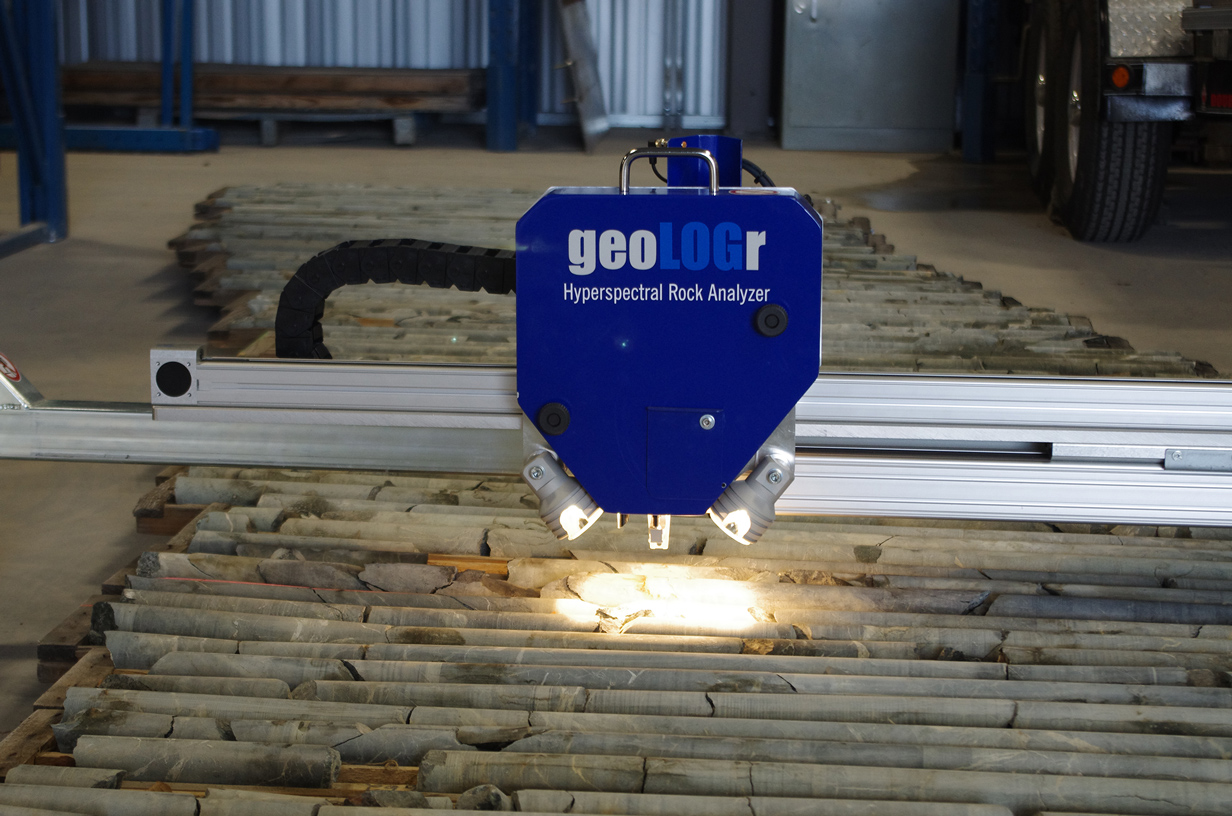
Spectral logging of legacy drill core from the Giant gold mine, Yellowknife, NWT, Canada

The Giant gold mine is a prime example of a shear-zone hosted gold deposit within an Archean greenstone belt. It produced over 7 Moz of gold during its lifetime. Gold mineralization is primarily linked to paragonite-bearing alteration zones. However, alteration is often subtle and difficult to visually assess.

Using the geoLOGr it was possible to:

  • Identify different zones and types of alteration
  • Link alteration halos to gold mineralization
geoLOGr PICB6727
case study2 2

Discover What’s Possible with Hyperspectral Intelligence

Want to learn how our technology is changing mining and exploration?

ENTER YOUR EMAIL TO GET EXCLUSIVE RESOURCES

Get field-proven insights, workflow tips, and real-world case studies—delivered monthly.

 Join the geos, execs, and tech leads redefining mineral exploration.